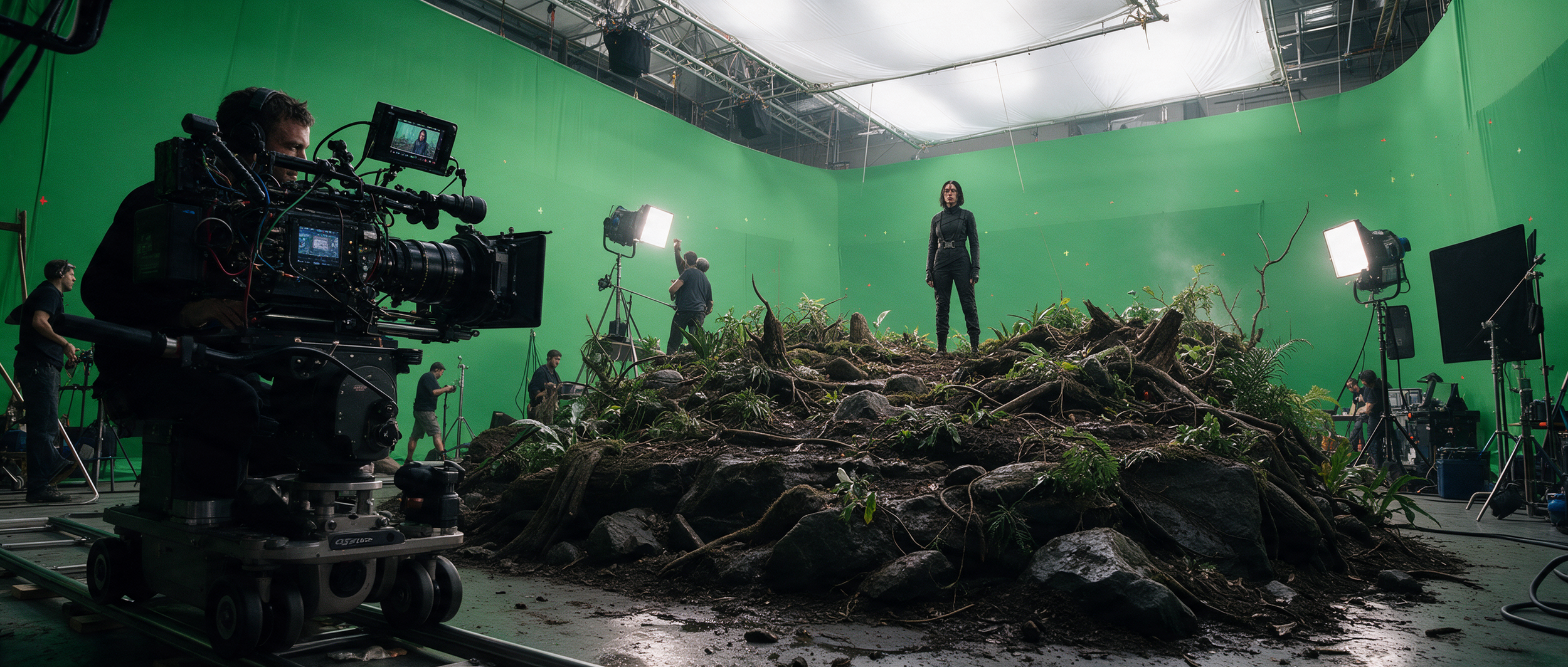
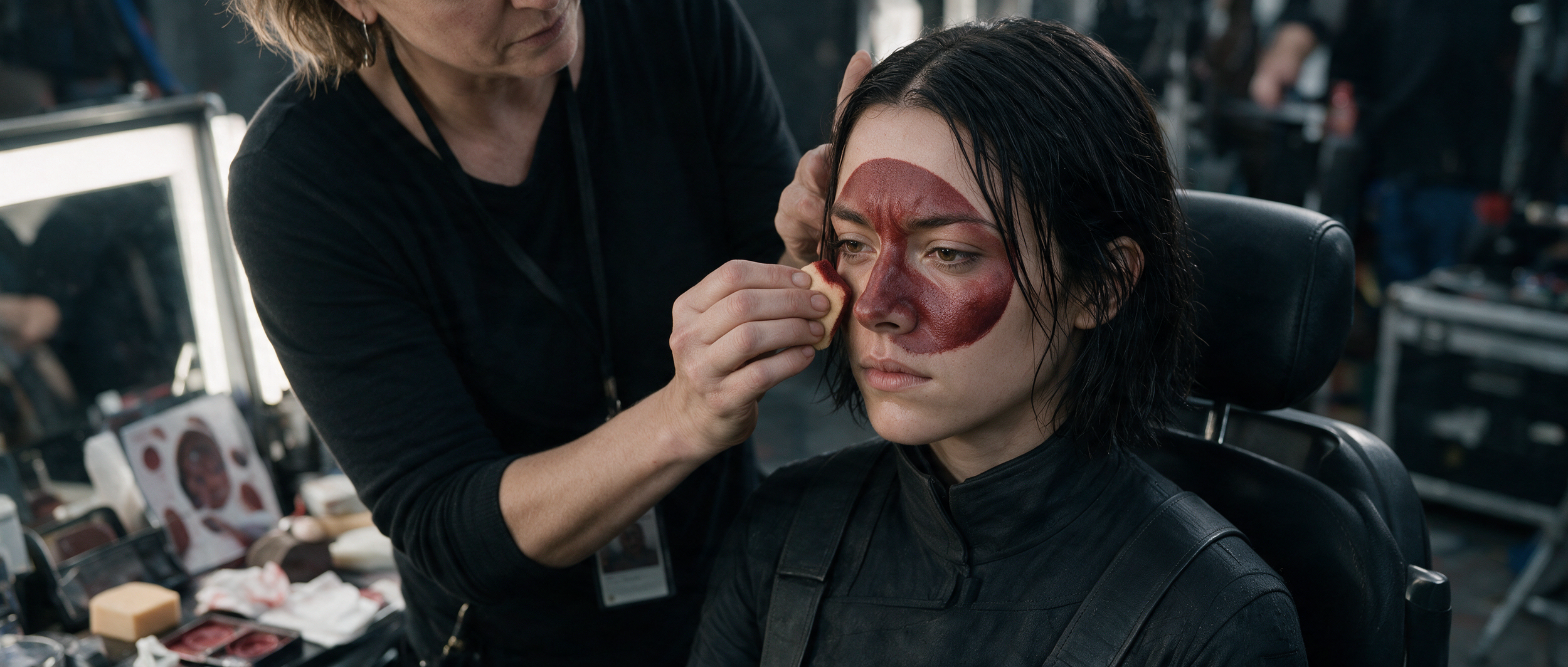
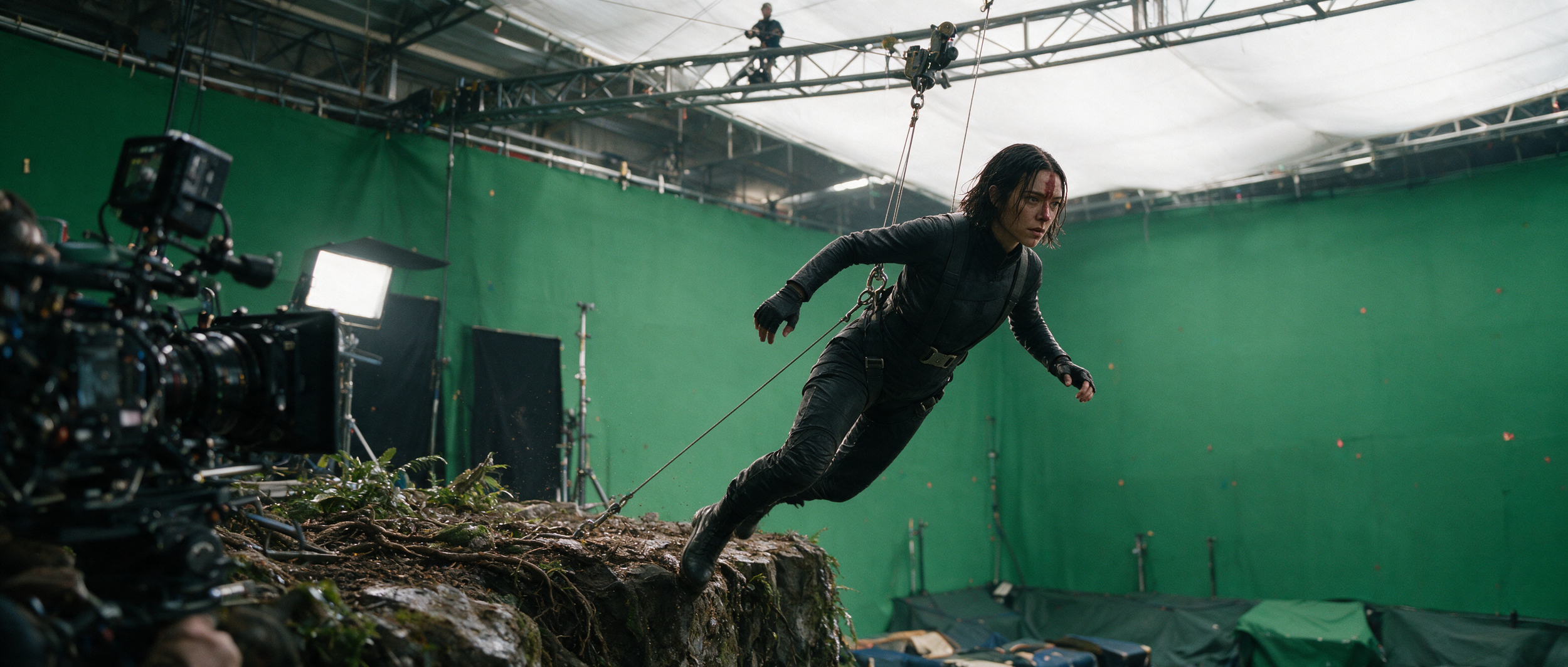
Becoming a Hunter is an original short film I developed for the Higgsfield Global Film Festival. I created the project as an end to end AI production, combining concept development, visual direction, motion design, editing and sound. The film explores survival and personal freedom through the story of a lone hunter forced to rebuild her understanding of what she truly needs. It also became a practical test of how AI tools can support a coherent cinematic production rather than a collection of disconnected generations.
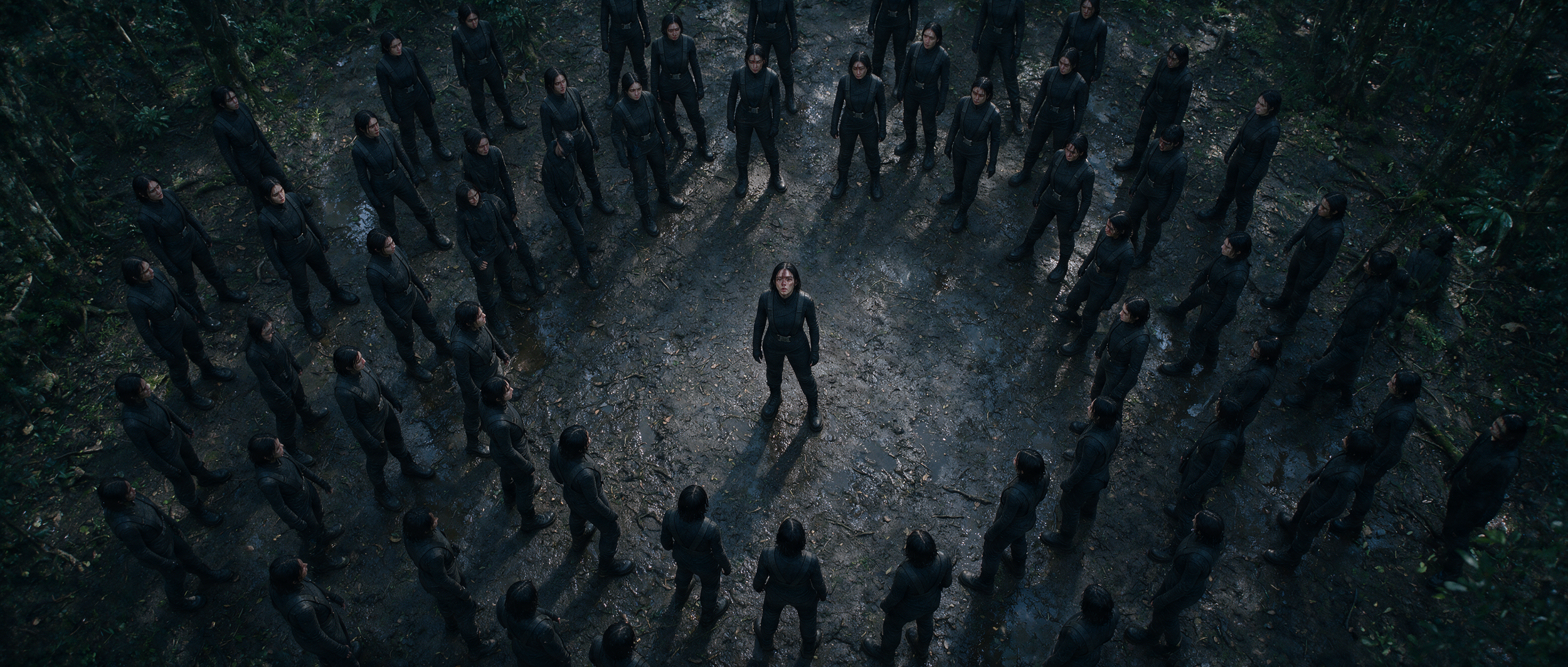
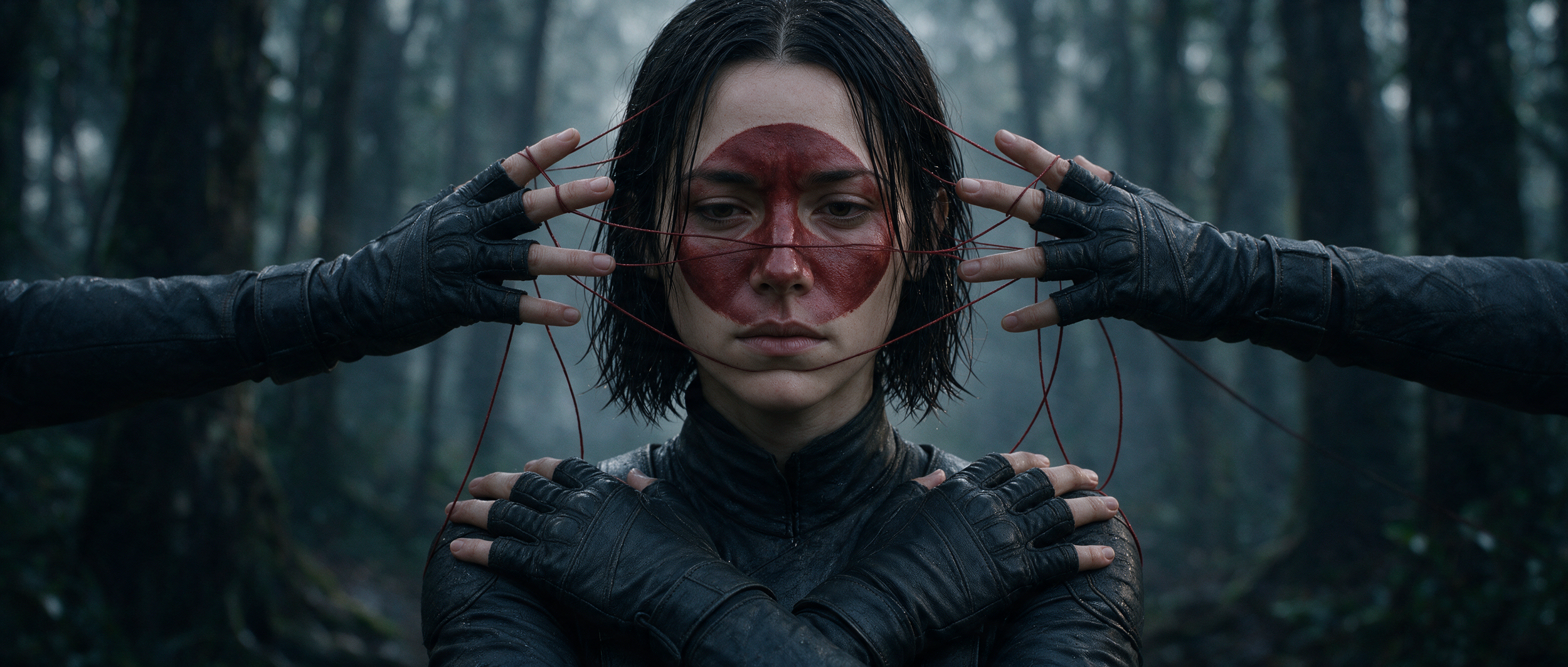
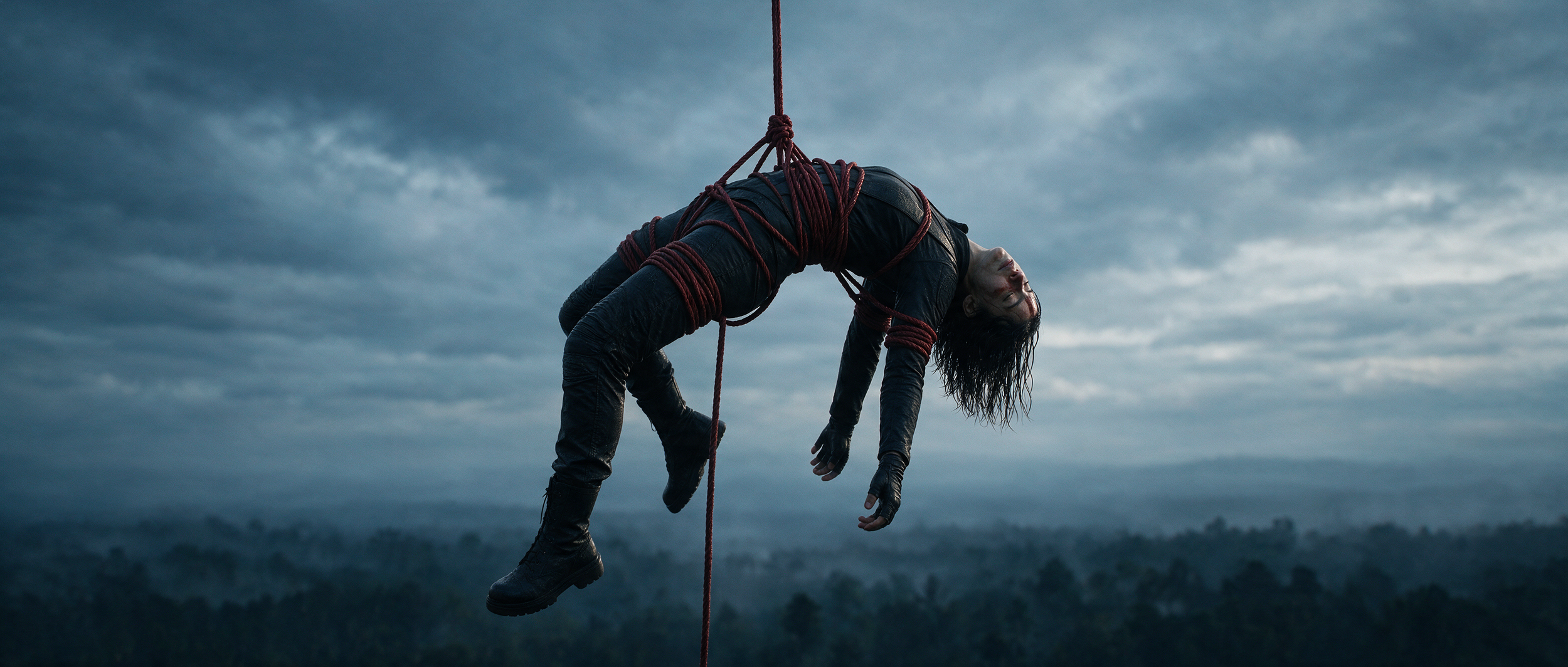
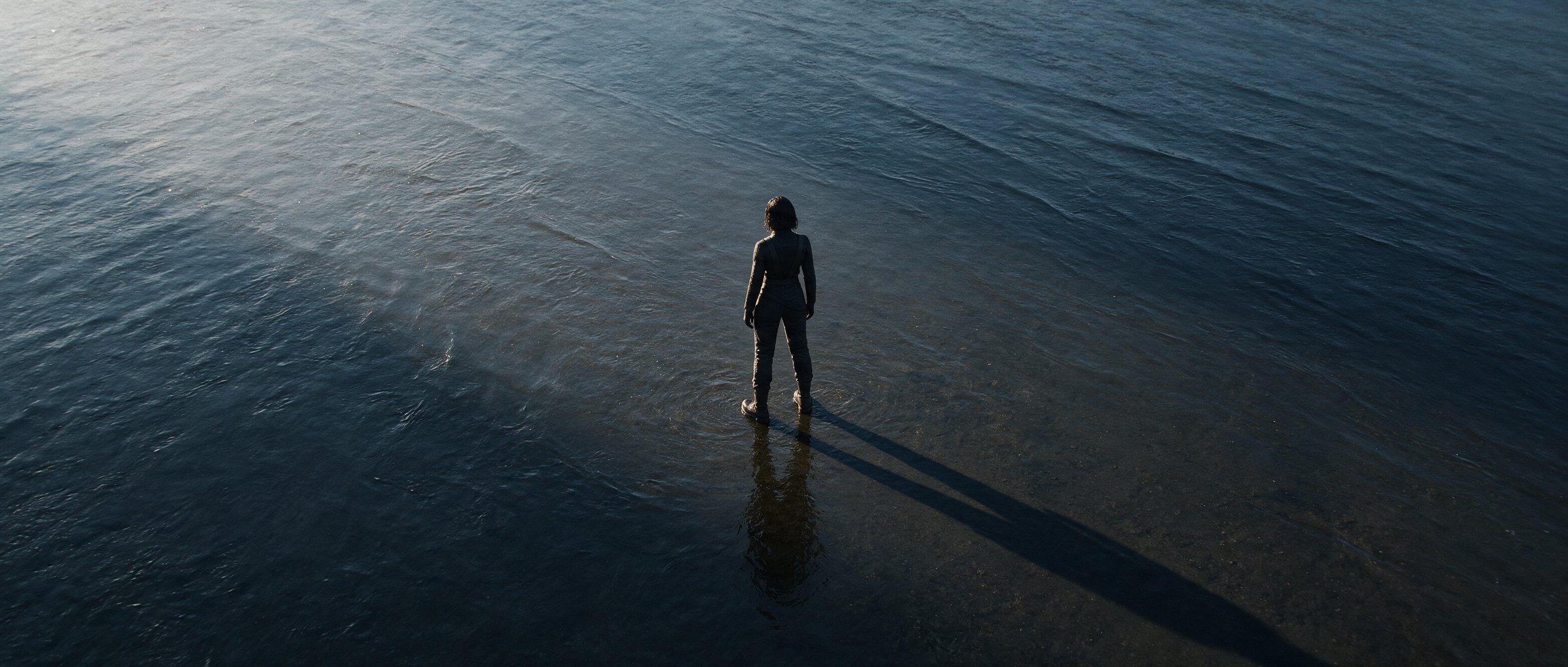
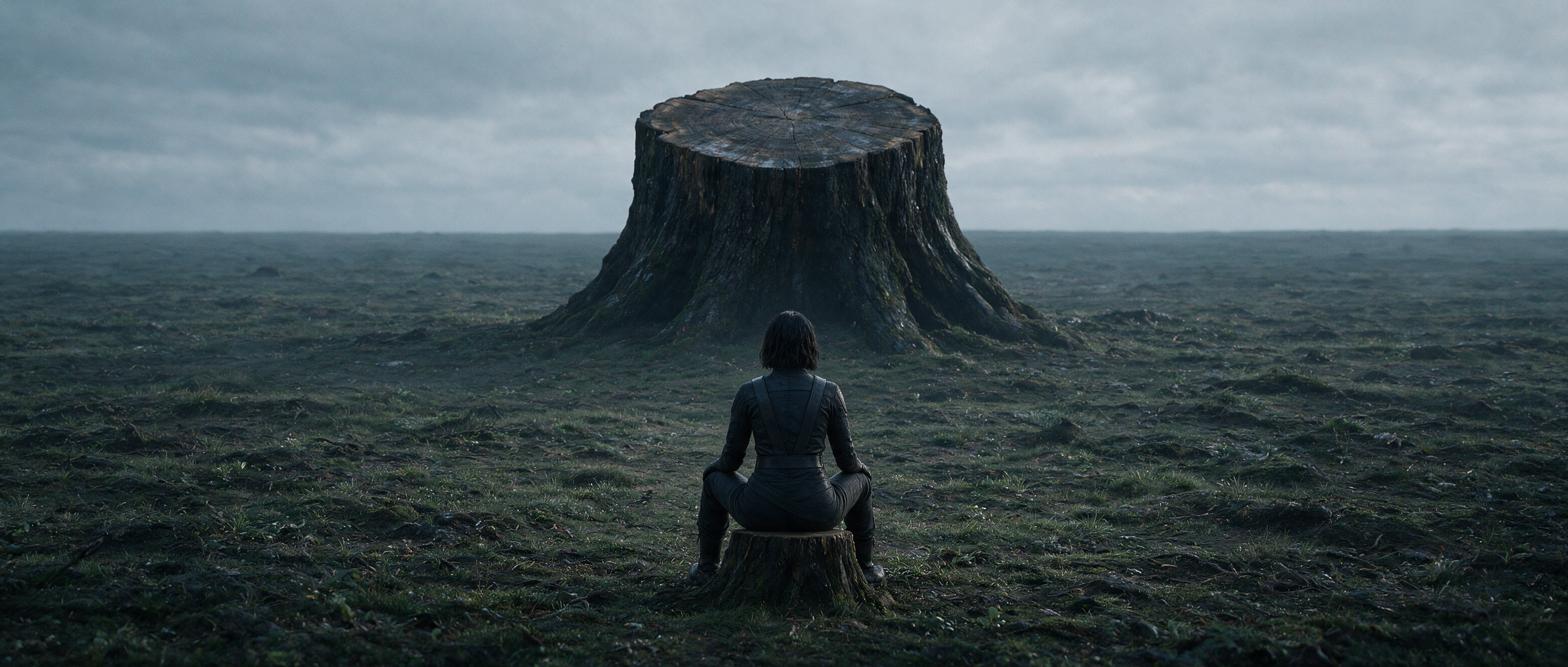
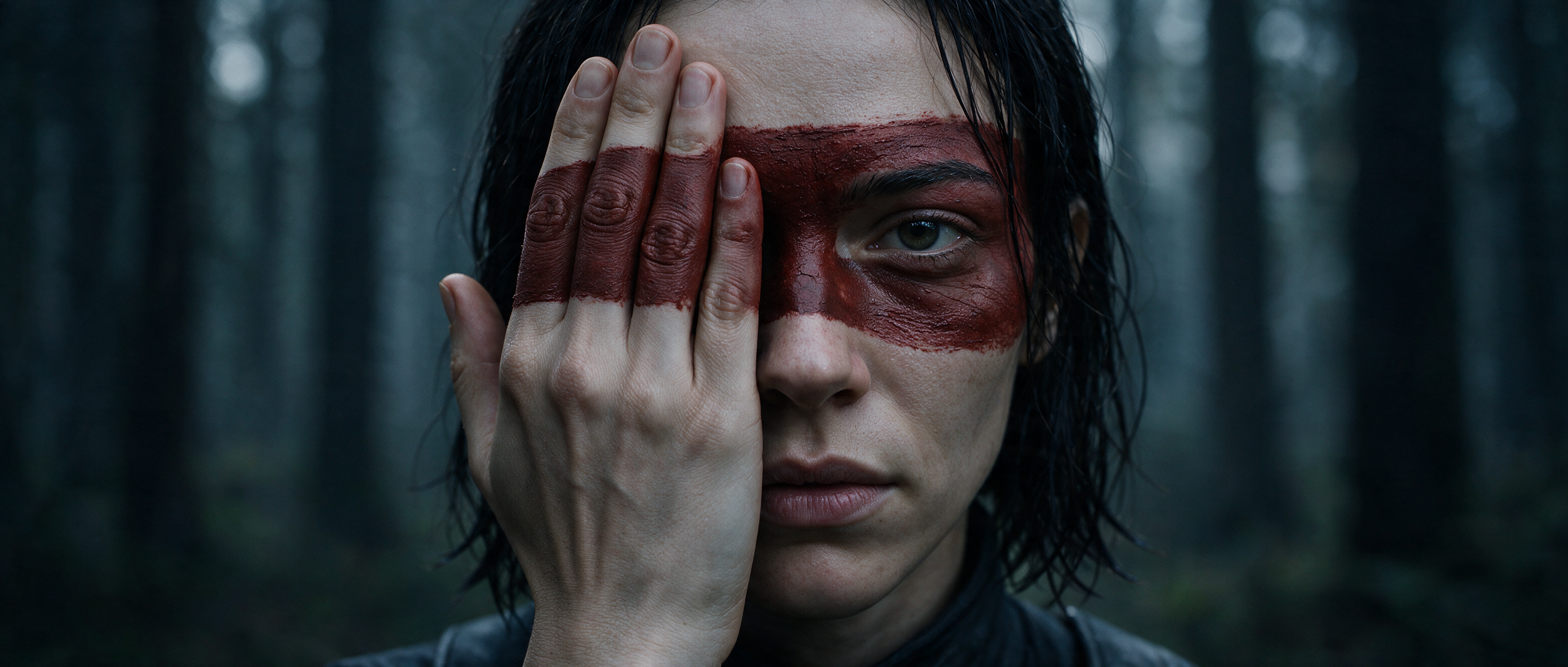
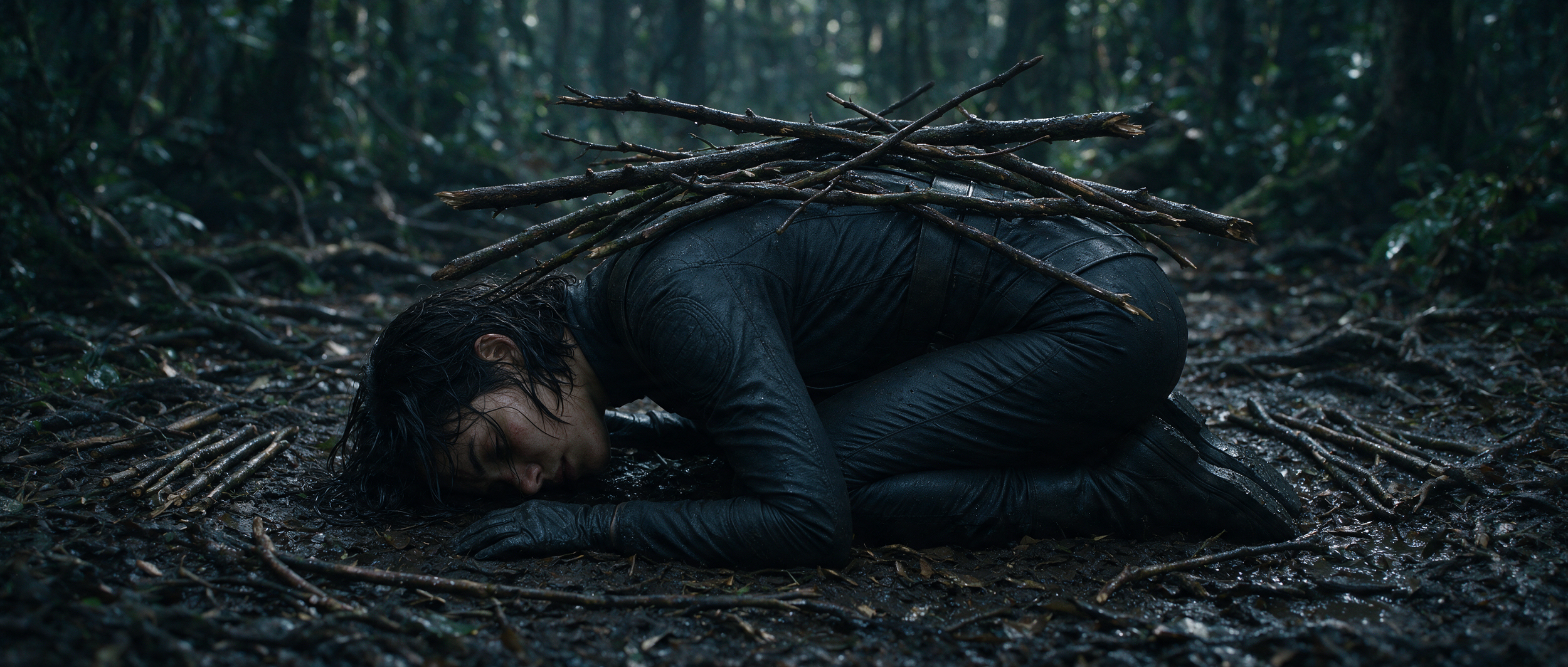
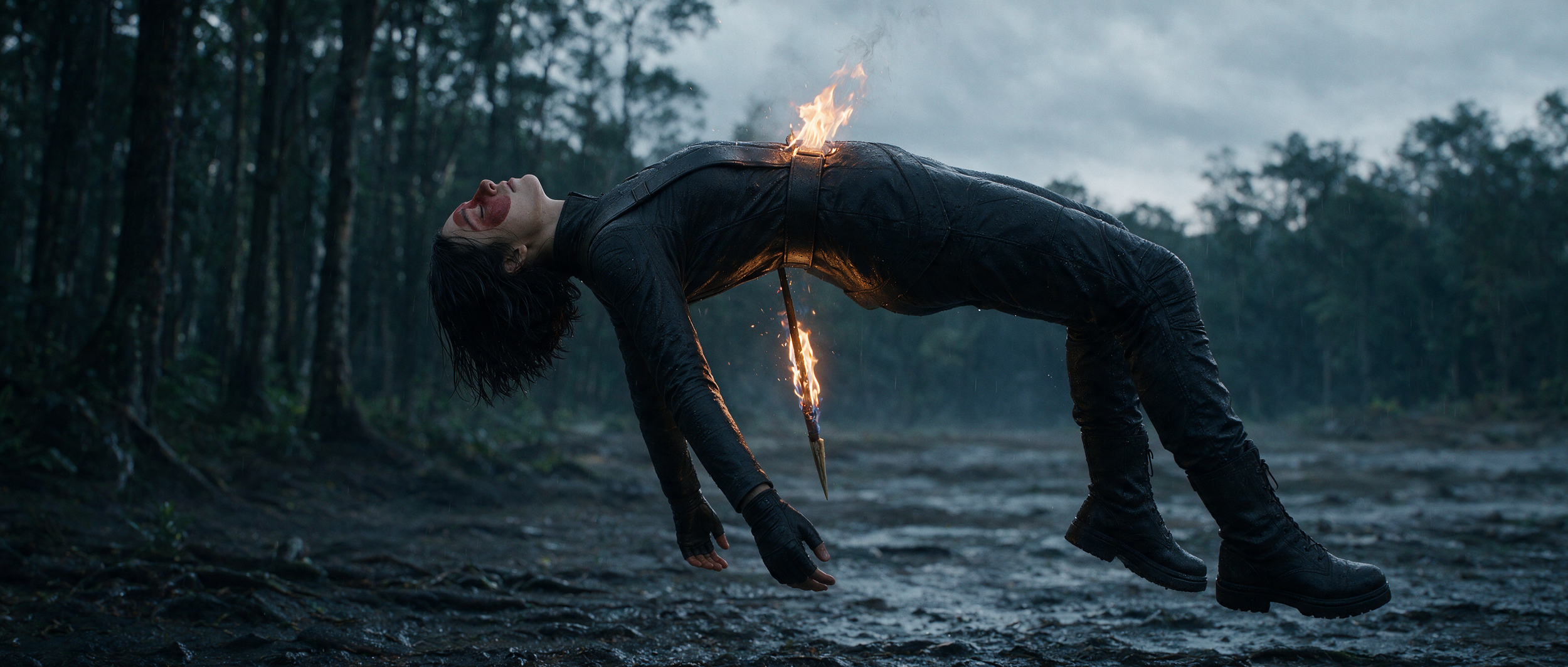
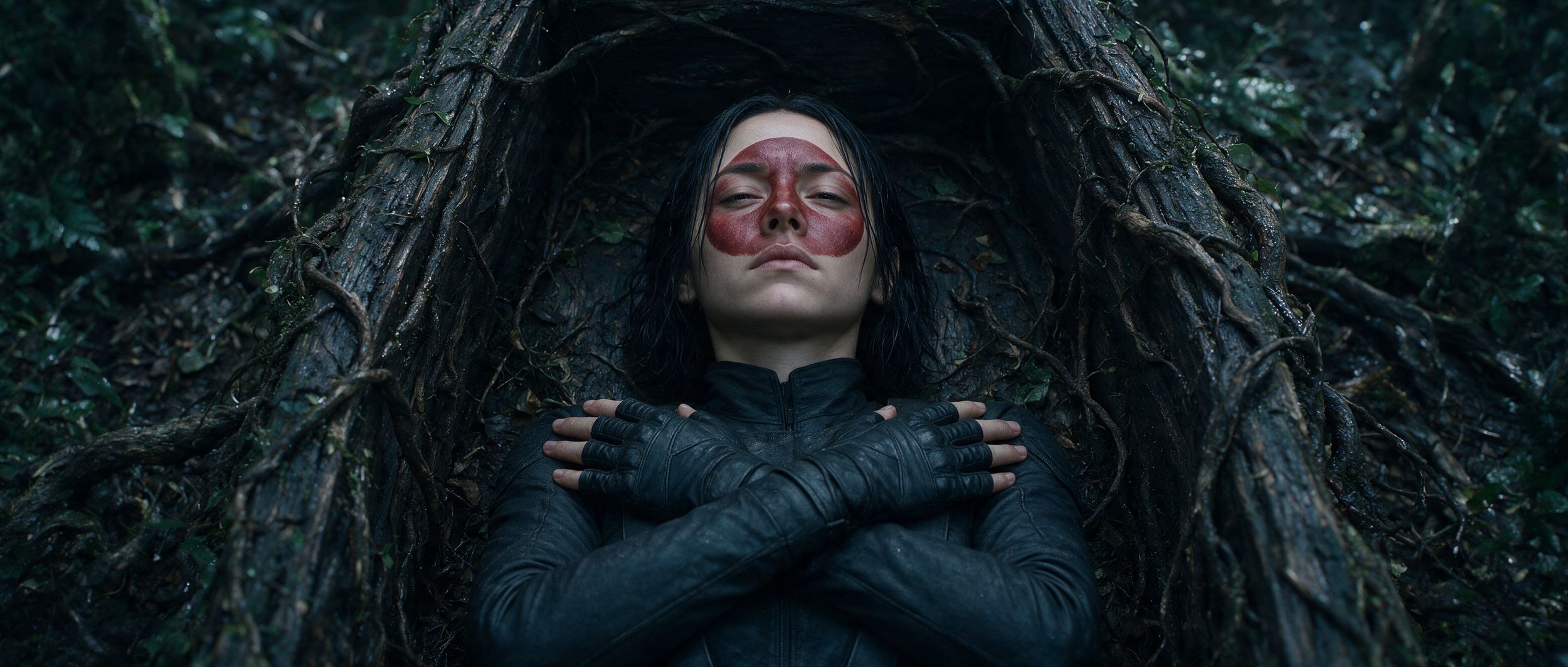
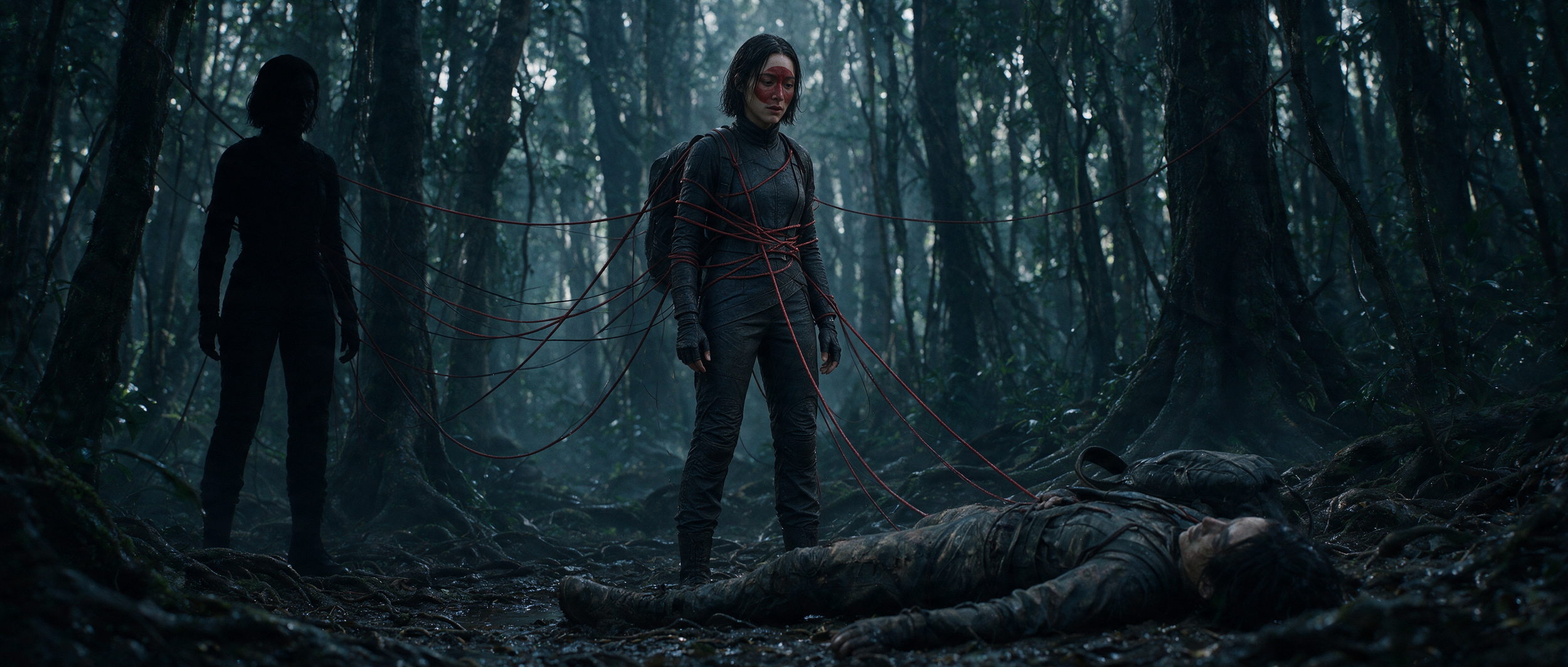
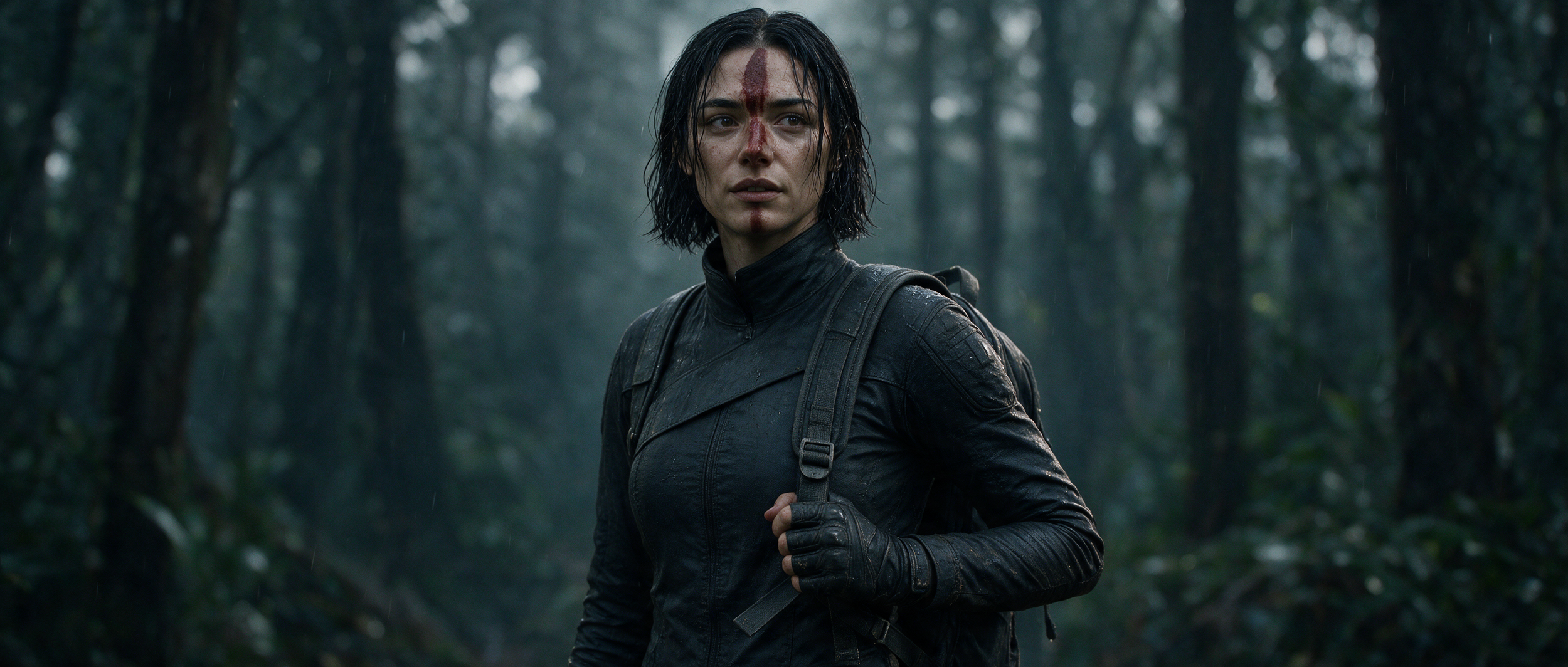
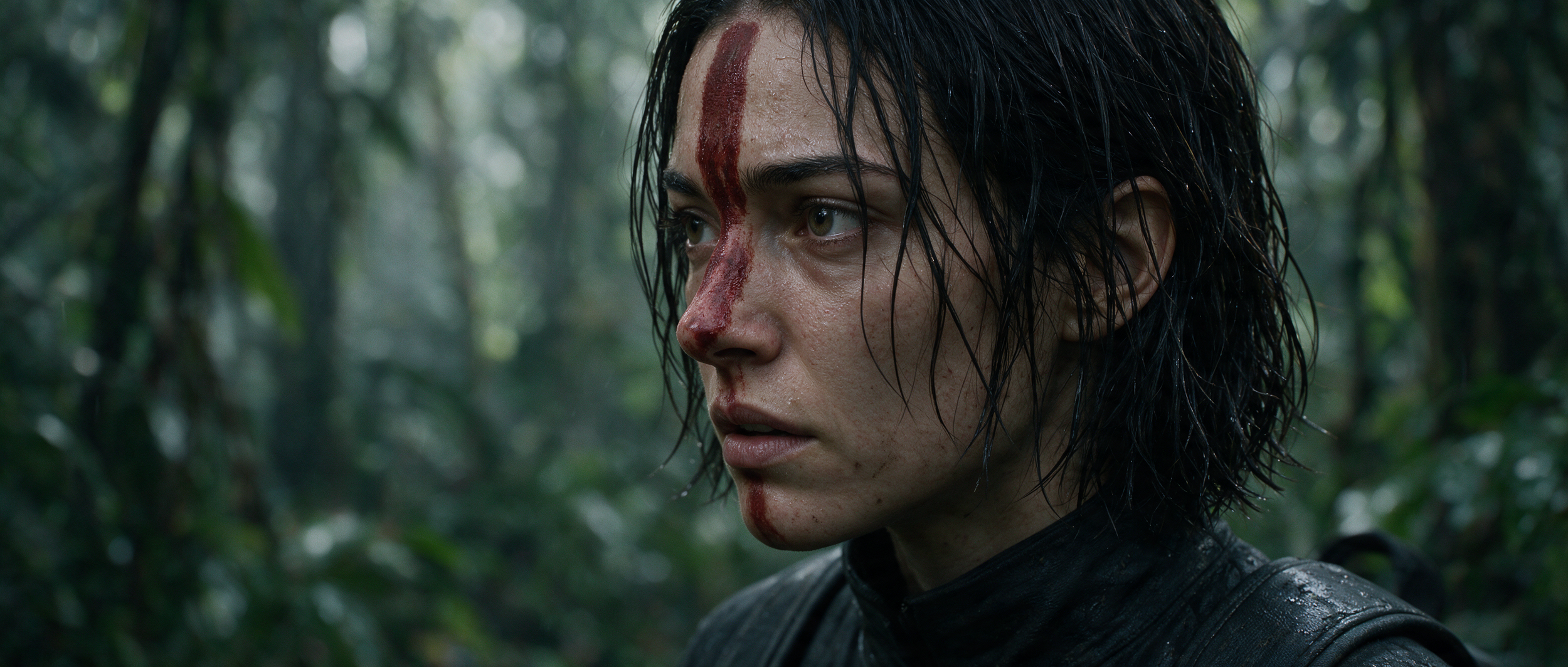
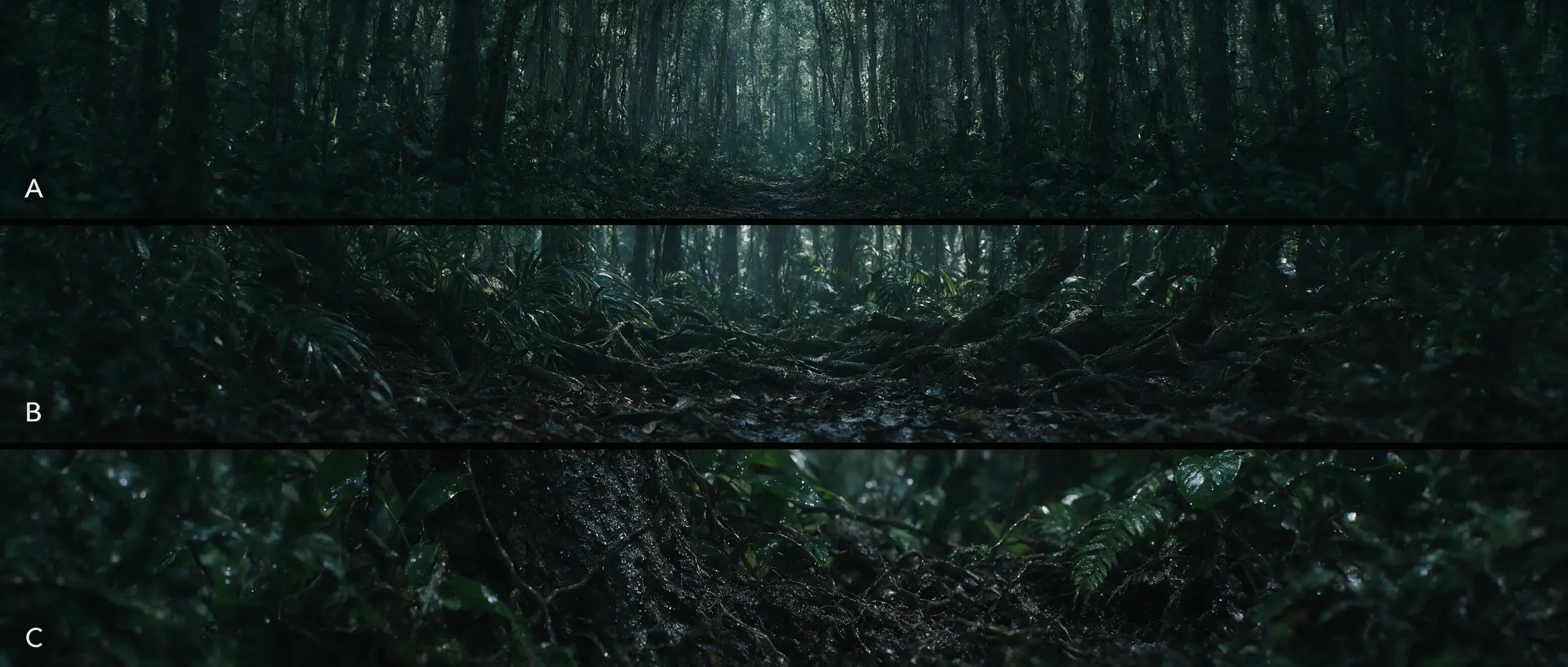
The world was built around a clear visual system. After crash landing on an unfamiliar planet, the Hunter moves through hostile terrain while completing a series of survival trials. I developed the environments, lighting, props and camera language together so every scene felt grounded within the same physical world.
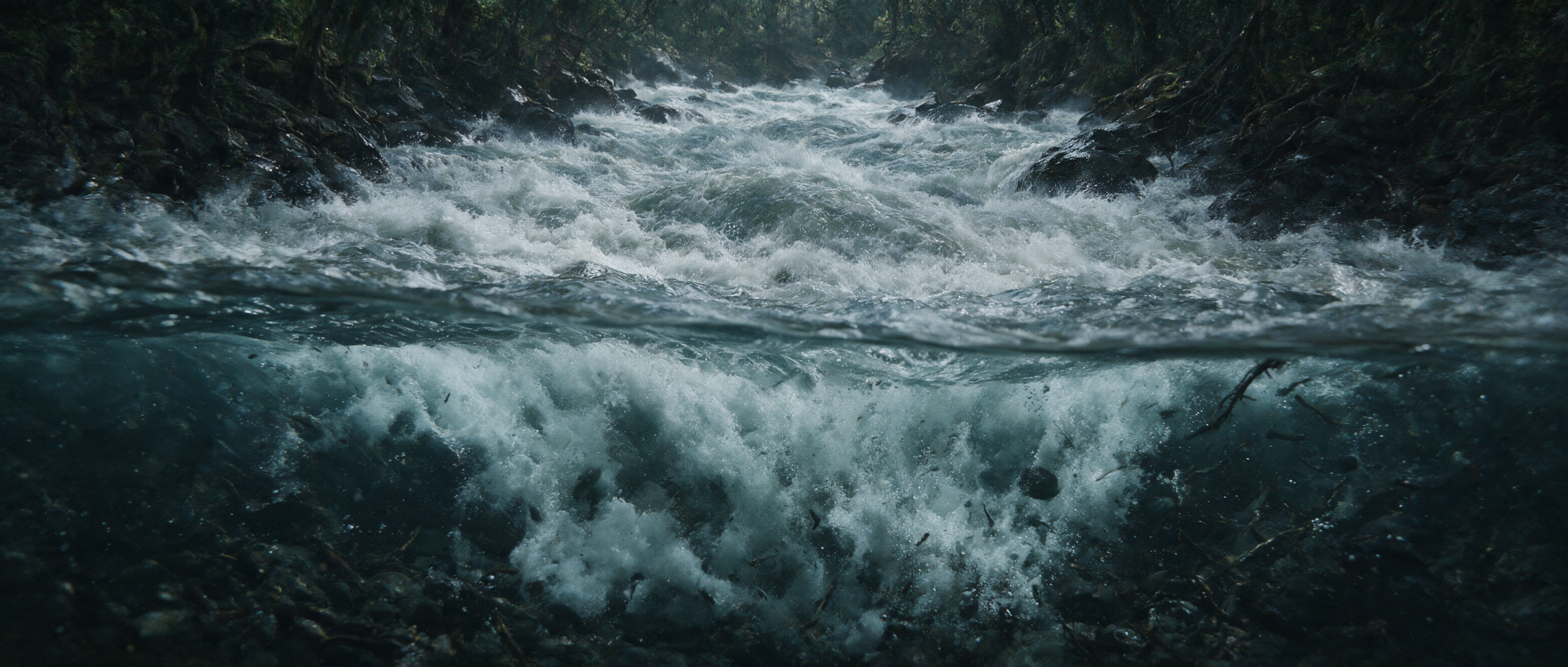
I also wanted to push some of the areas that remain particularly challenging in VFX and AI production, including liquid simulation, fire, smoke, wind, atmospheric effects and complex interactions between the character and her environment. These elements became an important test of physical realism throughout the film.
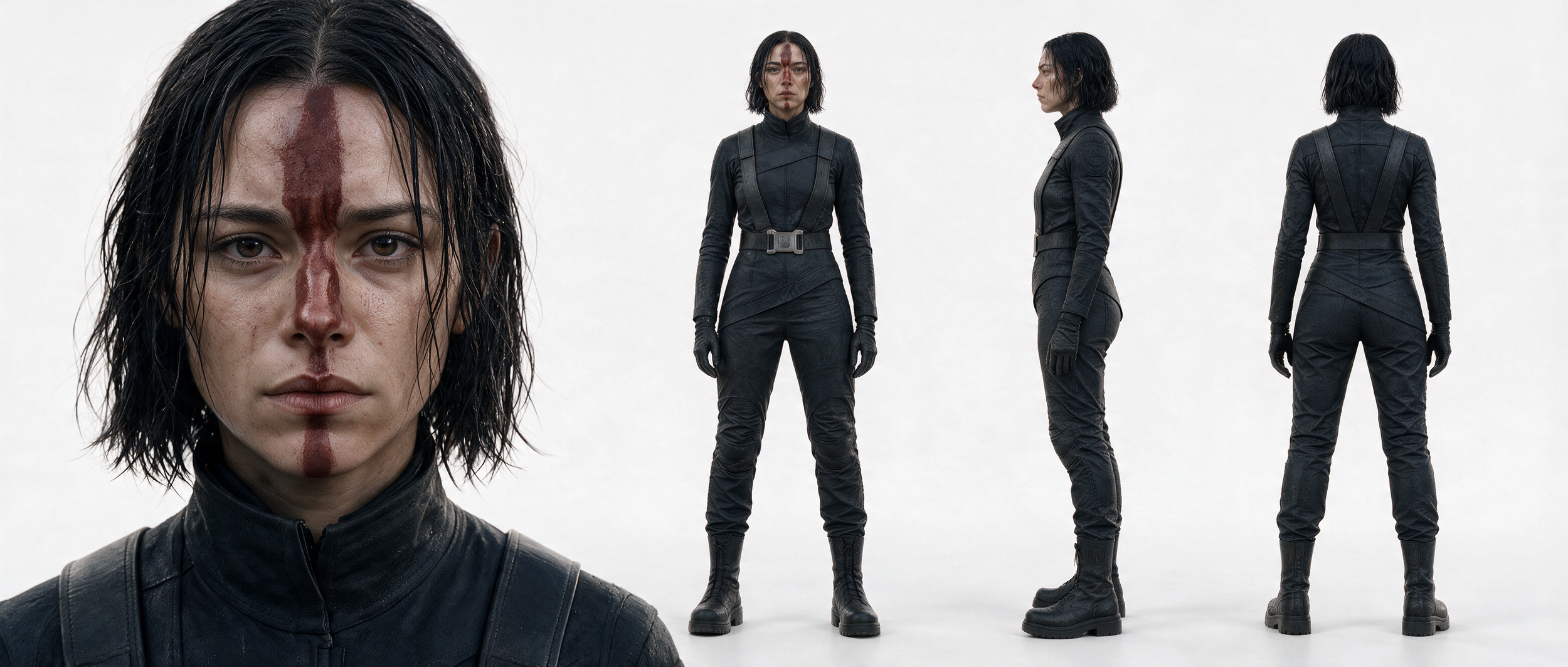
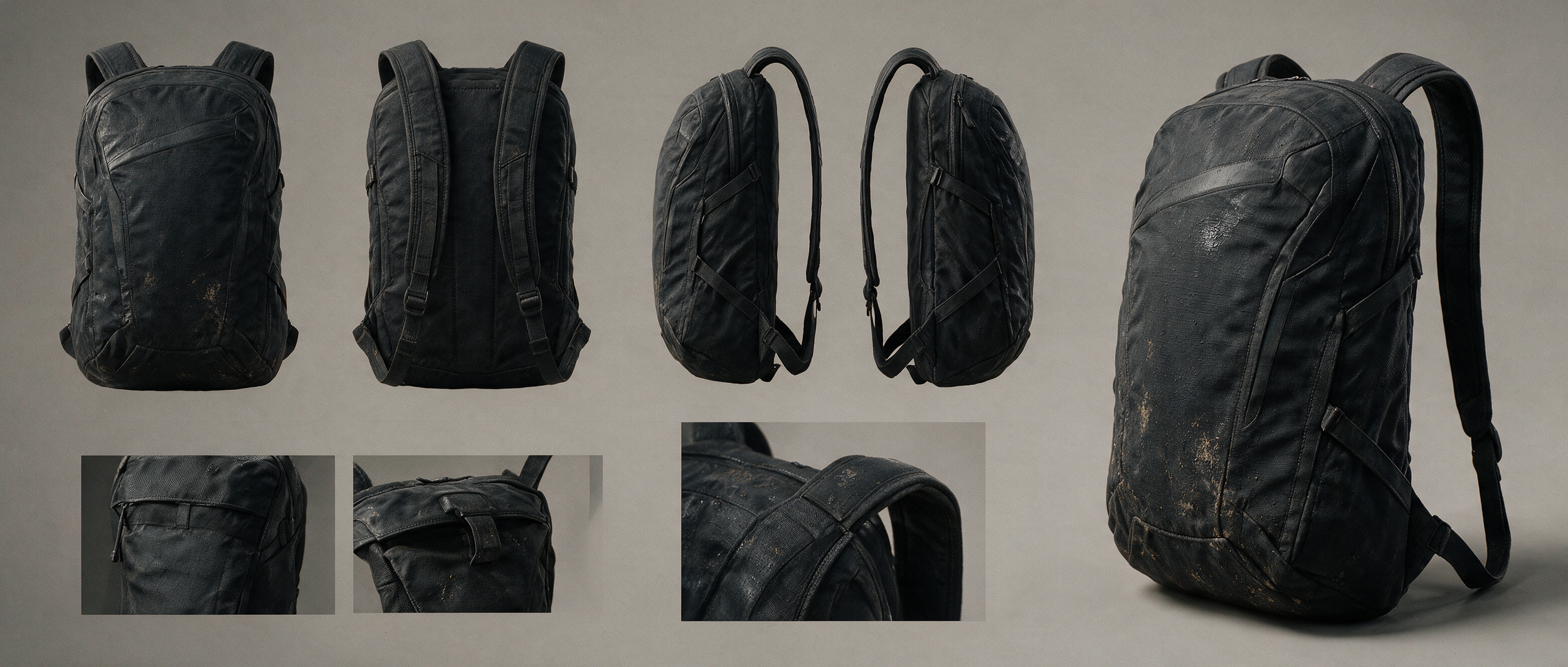
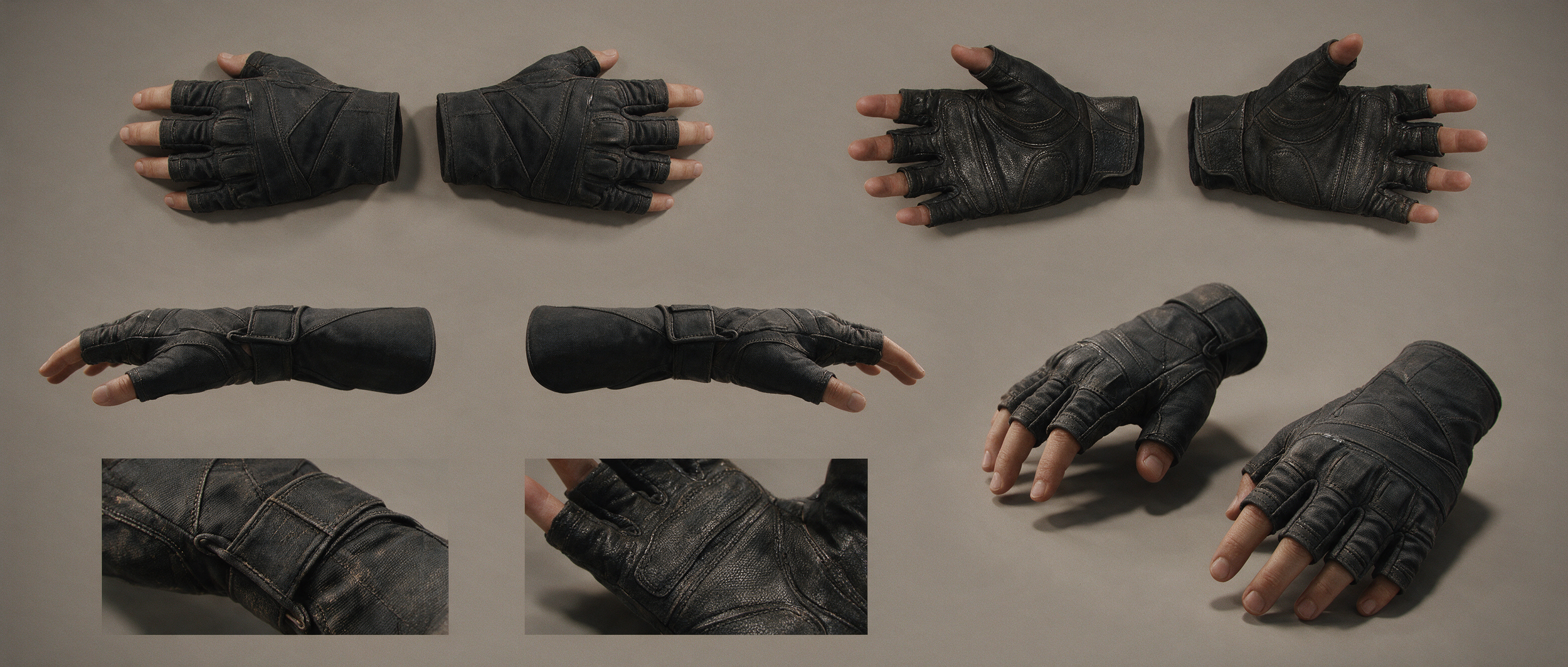
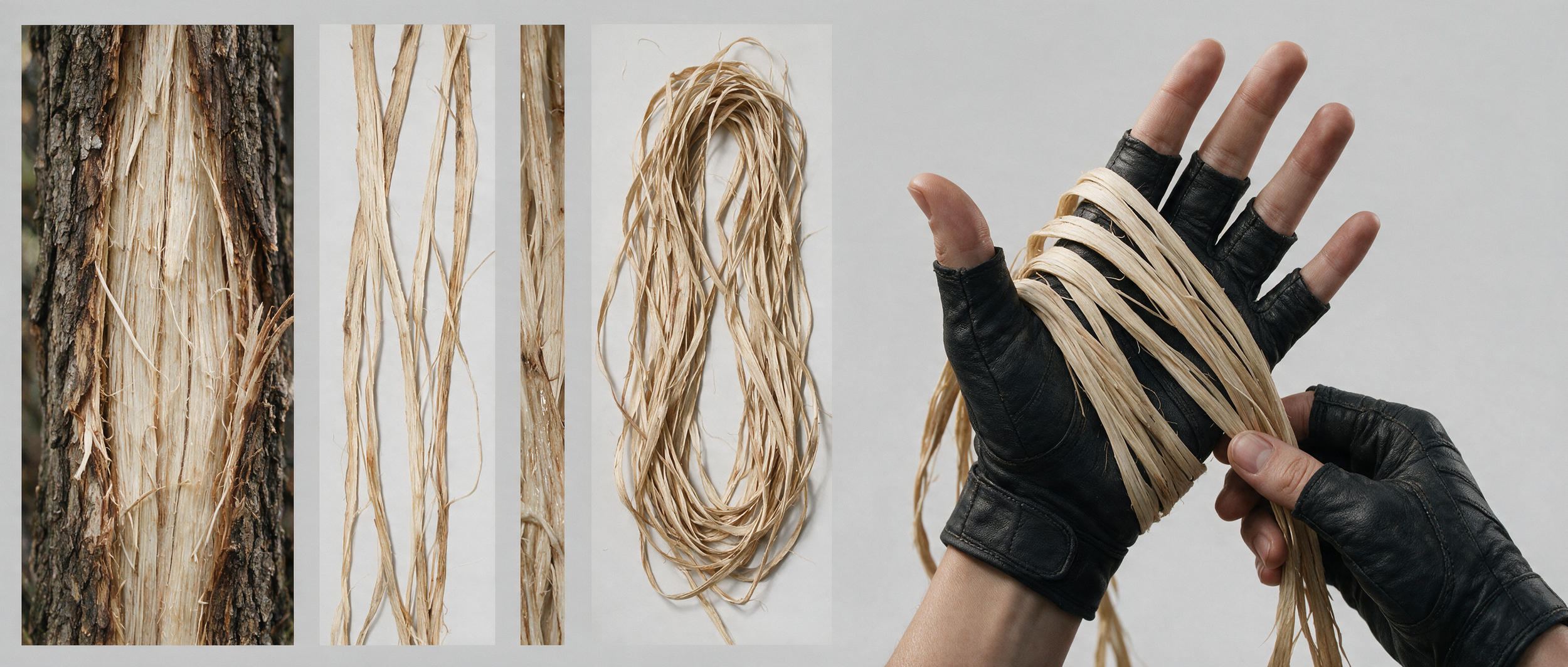
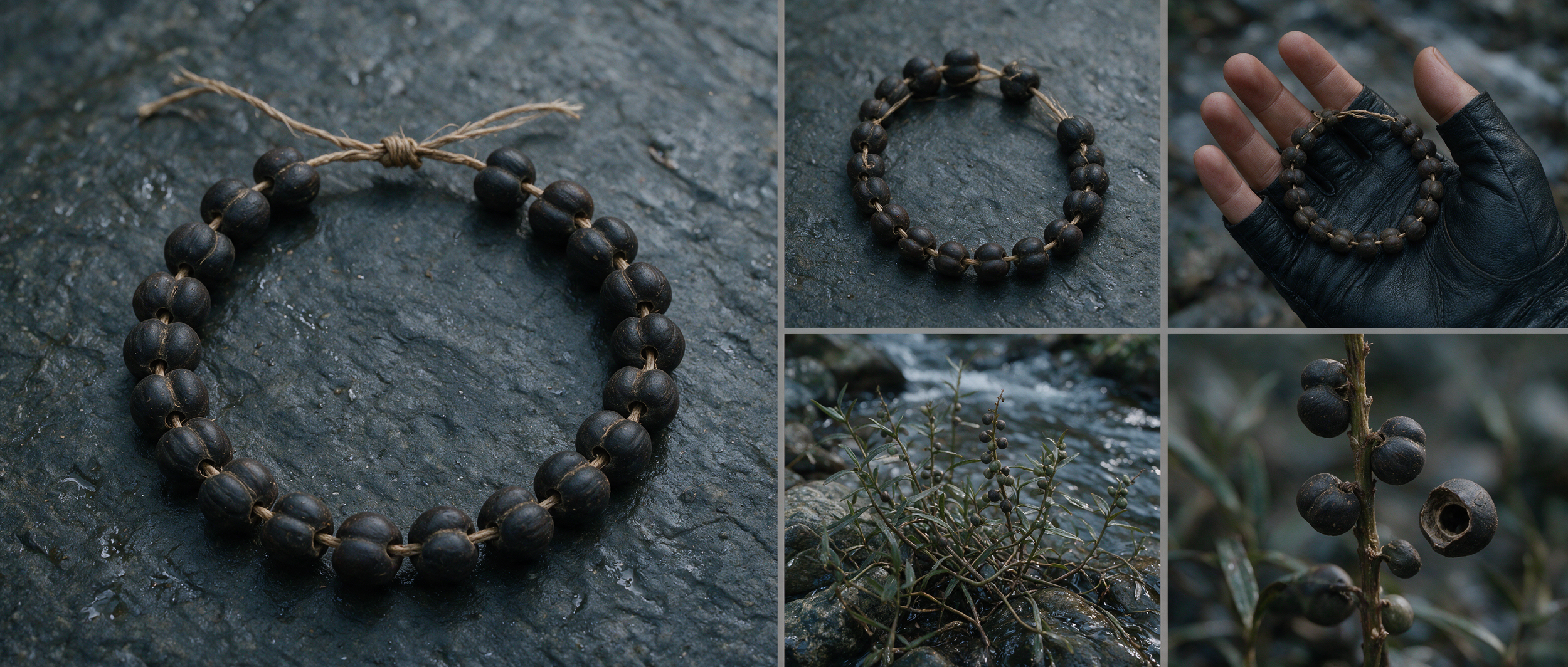
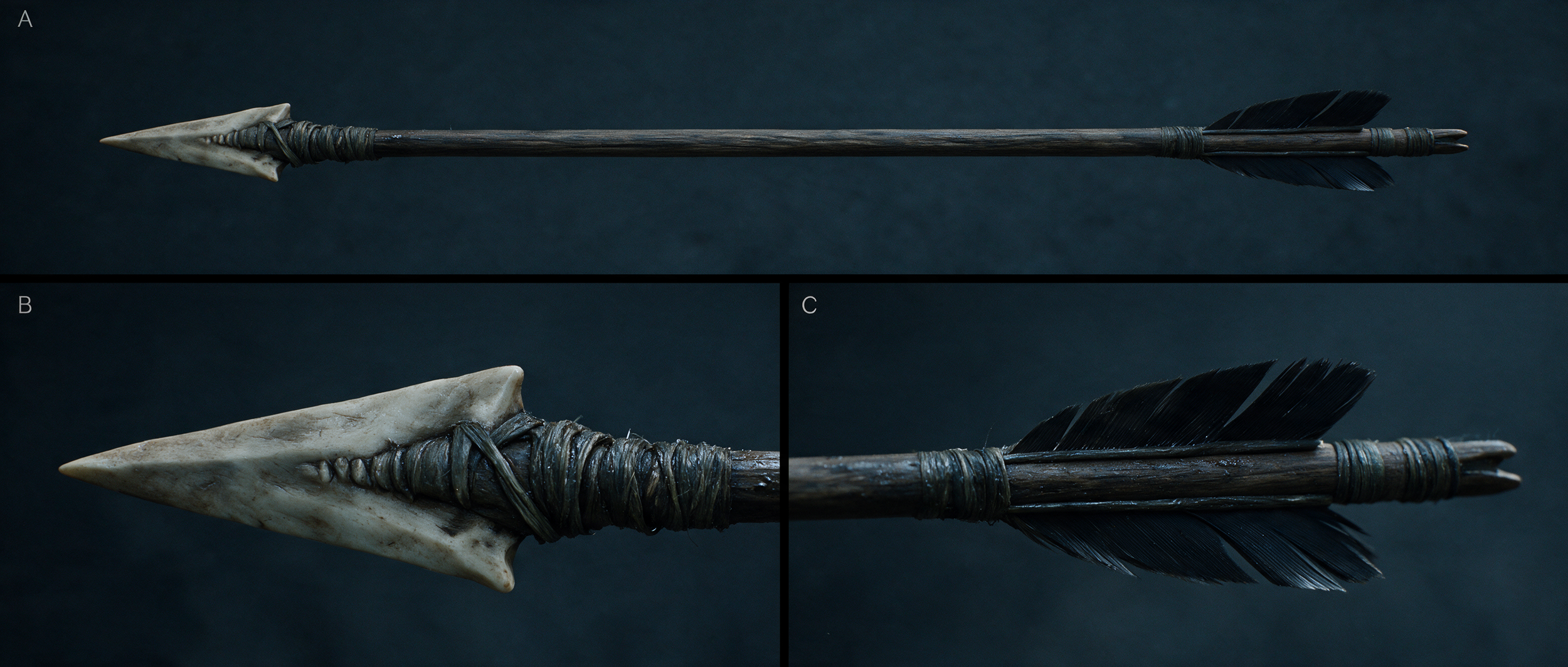
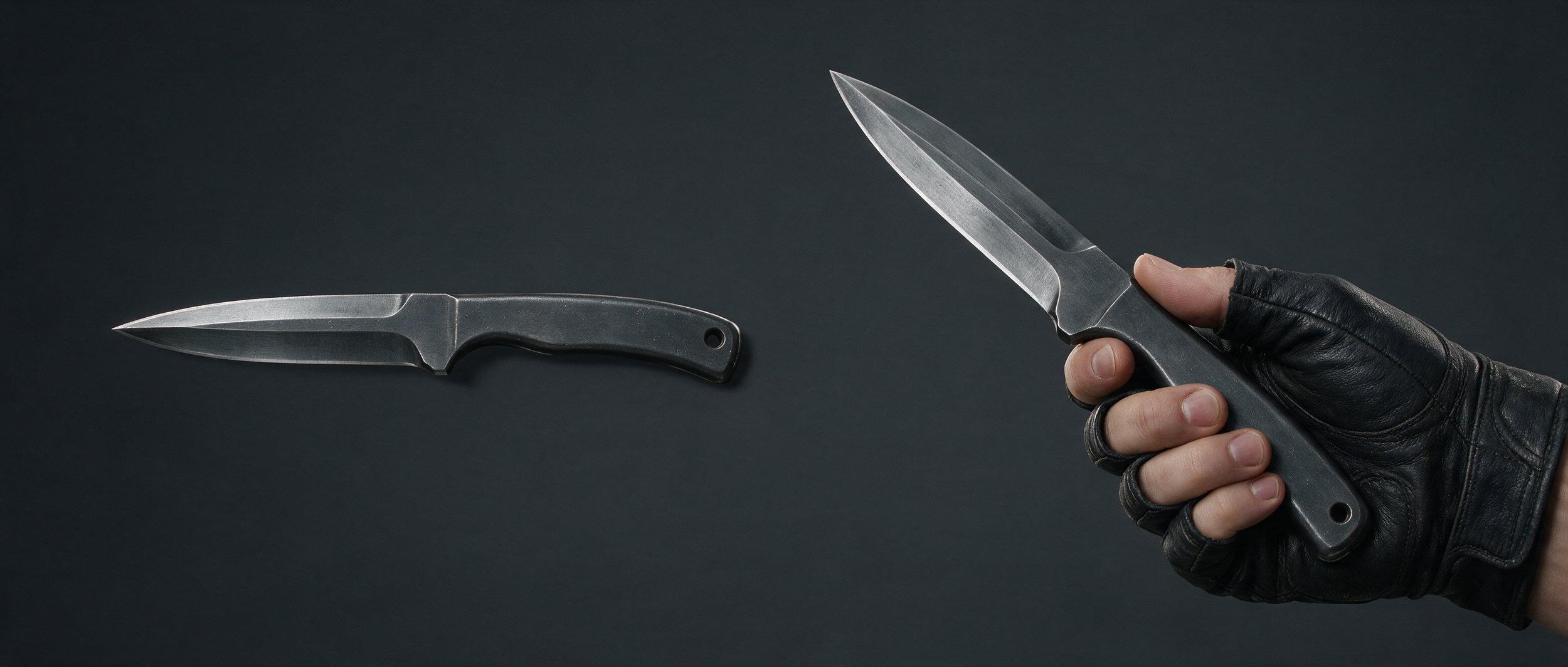
Character consistency was one of the most important production challenges. I created dedicated character sheets, facial references, costume studies, environment references and object sheets for recurring elements such as the backpack, gloves, tools and handmade survival materials. These assets formed a reusable visual reference system that helped preserve identity, scale, materials and design between shots. Combined with structured prompting and careful shot planning, this reduced character drift and improved temporal consistency across different scenes, camera angles and AI video models.
AI Tools & Platforms

I use a constantly evolving mix of AI tools across image, video, music and voice, selecting the right platform for each task rather than relying on a single system. I also build custom agents and workflows around these tools to connect different stages of production, streamline repetitive processes and support stronger creative decisions. The result is a flexible workflow that can adapt quickly as new tools and capabilities emerge.

Over the past two years, I’ve developed a specialist AI production system built around a growing suite of custom prompt agents and workflows. Working alongside me, these agents support prompt development, visual direction, cinematography, continuity and production, with one objective: creating AI-generated content that is increasingly difficult to distinguish from traditionally produced work. The system combines my background in design and motion with specialist AI tools, allowing me to move efficiently from concept through to final delivery while maintaining consistency across complex projects. The technology supports the process, but creative direction, decision-making, quality control and final finishing remain firmly in my hands.